
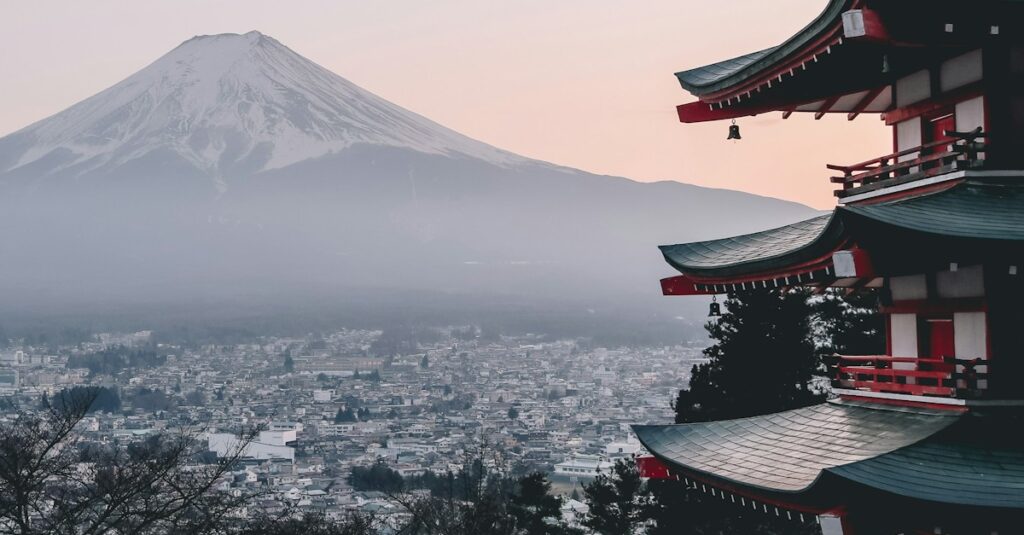
Japan rewards travelers who pay attention to the small things. The country feels calm, clean, and beautifully organized not because people follow random rules, but because daily life is shaped by respect for shared spaces and awareness of how individual behavior affects everyone else. That is exactly why habits that feel harmless elsewhere can stand out so quickly here. A loud train conversation, shoes on a tatami floor, or casually counting coins at the register may seem minor, yet in Japan these moments instantly reveal whether someone is moving with the local rhythm or against it. That is why we have brought 20 things not to do in Japan in this guide.
The good news is that Japan’s customs are not difficult once you understand the logic behind it. Most customs come down to the same values: cleanliness, social harmony, privacy, and consideration. When travelers understand the reason behind the etiquette, the country becomes even easier to enjoy because every day spaces begin to make more sense. The quiet trains feel calmer, the spotless streets feel less mysterious, and even the smallest interactions in shops or ryokans start to feel beautifully intentional.
Things not to Do in Japan as a Tourist
The following are some of the things you must avoid in Japan at any cost.
1. Don’t Wear Shoes Indoors
This is one of the first things not to do in Japan. Never enter any room with while wearing your shoes. Shoes come off at the entrance in homes, traditional Japanese inns (ryokans), temple lodgings, many traditional restaurants, and sometimes even in fitting rooms or certain clinics. This is not simply about dirt. The genkan, or entryway, acts as a symbolic divide between the outside world and the clean, protected calm of the indoor space. Walking straight in with shoes on feels like carrying the street directly into someone’s living environment.
The mistake usually happens when visitors enter a ryokan, guesthouse, or traditional home while greeting the host or carrying bags. In that moment, they may miss the clear signs that shoes should come off. The easiest cues are the raised indoor floor beyond the entrance area, the neatly lined-up shoes, and the slippers placed by the door. Paying attention to these details helps you avoid the mistake right away.
2. Don’t Forget Bathroom Slippers
This is one of those wonderfully specific Japanese customs that catches first-time visitors off guard. In many ryokans, guesthouses, and traditional homes, the bathroom has its own dedicated slippers. These are only for the toilet or bathroom zone and are meant to preserve hygiene by separating that space from the rest of the living area.
Also beware of leaving the bathroom and walking to the room wearing shoes. It may seem trivial, but in Japan small spatial boundaries carry real meaning. The respectful alternative is simply to build a quick habit of checking your feet before stepping back into the main room. Once you understand the logic of space separation, this custom starts to feel perfectly sensible rather than quirky.
3. Don’t Talk Loudly in Public Transport
Japan’s public transport is famous for efficiency, but what makes it feel so comfortable is the shared quiet. Even in packed commuter trains, people usually keep their voices low, avoid calls, and limit phone use to silent scrolling or quiet headphones. The carriage is treated almost like a neutral resting zone where everyone can commute, think, or simply exist without being forced into someone else’s noise.
Keep in mind that you should never treat a train like a normal social setting. Avoid loud sightseeing conversations, answering calls, or laughing across the aisle. The more natural alternative is to match the tone of the carriage. If the space is quiet, keep your voice soft and brief. This small adjustment not only helps you blend in but also makes the journey itself more peaceful and enjoyable.
4. Don’t Eat While Walking Through Busy Streets
One of the most important things not to do in Japanese culture is eating while walking on the streets. It is quite surprising for tourist because Japan is full of incredible snacks, convenience store food, and street stalls. The issue is not eating outside. It is walking through crowded streets while eating, which can feel inconsiderate in places where pedestrian flow and cleanliness are taken seriously.
Tourists usually grab a skewer, pastry, or a snack and keep walking down a street. Instead, try to find a place to sit to enjoy these delicacies or eat them in your hotel room. This not only respects the space but also turns the food into a proper moment instead of something rushed between attractions.
5. Don’t Tip
Tipping is one of the easiest ways to accidentally import another country’s customs into Japan. Here, excellent service is already the expected professional standard. Staff in restaurants, hotels, taxis, and shops do not work with the assumption of an added gratuity, so extra cash can create genuine confusion.
Many tourists leave the money on the table or give it directly to the staff. In many cases, they may politely return it because they assume you forgot your change. They would be happier if you simply thank them sincerely, speak politely, and show respect through your behavior. In Japan, that communicates appreciation far more clearly than money ever could.
6. Don’t Use Chopsticks Carelessly
How chopsticks are used at the table in Japan carries more meaning than many travelers realize. Using chopsticks in Japan goes beyond basic table manners because several gestures carry cultural symbolism. Sticking chopsticks upright into rice, passing food directly from one pair of chopsticks to another, pointing with them, or stabbing food can all feel deeply inappropriate because some of these actions resemble funeral rituals.
Remember not to use chopsticks casually the same way one might use a fork. Neatly rest them on the chopstick holder when not in use and use serving utensils for shared dishes whenever possible. Once you start observing how locals handle chopsticks, the etiquette feels less intimidating and more like an elegant extension of the meal.
7. Don’t Ignore Hots Springs’ (Onsens) Customs
Onsens are one of the most peaceful and culturally rewarding parts of Japan, but they can also feel intimidating if you do not know the etiquette. The most important rule is that the bath itself is only for soaking. Before entering, you must sit at the washing station, clean yourself thoroughly, rinse completely, and only then step into the shared water.
Tourist usually commit three mistakes when it comes to Onsens: entering without washing, letting the small towel touch the water, or failing to check tattoo policies in advance. You should treat the entire process as part of the experience than a set of restrictions. Once you understand the shared logic of cleanliness and calm, the ritual becomes one of the most memorable moments of the trip.
8. Don’t Litter Just Because Bins Are Rare
When it comes to what things not to do in Japan, this takes the top spot. Japan is known for its cleanliness. So much so that fish swim in the drains of cities like Tokyo. Japan’s streets often surprise visitors because they remain remarkably clean despite the noticeable lack of public bins. The reason is not magic but social discipline. People simply carry their rubbish until they find the proper place to dispose of it.
Many tourists leave litter on the ground due to rarity of trash bin and it seems quite understandable. The best thing to do is to keep a small bag in your backpack or pocket and use convenience stores, vending zones, or hotel lobbies when you find the right bin. Once you adopt this habit, the spotless streets start to feel less mysterious and more like the result of collective responsibility.
9. Don’t Be Loud with Public Displays of Affection
Japan generally approaches affection with far more subtlety than many travelers may be used to. Holding hands is usually fine, especially in major cities, but loud kissing, prolonged hugging, or playful physical behavior in quieter public spaces can feel intrusive.
Public affection norms are not the same everywhere. In some places such as in nightlife districts people may be more relaxed, but on trains, shrines, elevators, and streets, you must be more careful. Matching the emotional tone of the environment helps you move through public spaces more comfortably.
10. Don’t Jaywalk Even If the Street Looks Empty
One of the easiest ways to stand out in Japan is crossing the road just because it looks clear. Even on quiet streets late at night, many locals will still wait patiently for the signal.
Against common perception, it is not about road safety but a part of Japanese culture. In reality, it reflects a wider respect for shared rules and public order. Therefore, it is better to simply to wait with everyone else, even when the road seems empty. After a few days, this rhythm starts to feel less restrictive and more like part of the calm predictability that makes Japanese cities so pleasant.
11. Don’t Blow Your Nose at the Table or in Public
If you are wondering what not to do in Japan as an American, thin you should consider this. In Japan, loudly blowing your nose at the table, on a train, or in a quiet room feels far more disruptive than quietly stepping away.
Many tourists blow their nose whenever the need arises out of habit. The more respectful option is to excuse yourself briefly and use the restroom or another private area. The cultural value here is privacy and consideration, which keeps shared spaces feeling more comfortable for everyone nearby.
12. Don’t Burp at the Table
Dining in Japan places strong emphasis on the comfort of everyone sharing the meal. That is why slurping noodles can be perfectly acceptable while burping creates the exact opposite impression.
In many countries, burping on the table is fine but not in Japan. In reality, slurping is connected to the food and can even signal enjoyment, while burping introduces an unrelated intrusive sound into an otherwise calm environment. Instead, focus on eating calmly and avoid making sounds that distract the people sharing the meal.
13. Don’t Stand on the Wrong Side of the Escalator
This may seem tiny, but in Japan’s busiest stations it matters immediately. In Tokyo and most regions, people stand on the left and leave the right side open for anyone walking. In Osaka and parts of Kansai, the pattern often reverses.
The tourist mistake is stepping on without checking, standing in the walking lane with luggage, or blocking the flow with companions. The natural alternative is to observe the locals for literally one second before stepping on. That quick glance lets you merge into the commuter rhythm instead of disrupting it.
14. Don’t Cut Queues
Among many things not to do in Japan, this one is the most important. Japan’s public order becomes most visible in the way people queue. Whether it is a train platform, elevator, vending machine, or restaurant, people line up patiently and trust that everyone will respect the order.
Many tourists try to crowd too close and cut the queue because the line seems slow. Similarly, they try to board a bus or train before passengers exit. Instead, you must trust the queue system and let it do the work. Once you follow the markings and wait for your turn, public spaces actually become easier and less stressful to navigate.
15. Don’t Hand Cash Directly Across the Counter
In many shops, cafés, and hotels, you will notice a small tray near the register. This is where money and cards are meant to be placed.
Tourists usually hand bank notes or coins directly to the cashier out of habit. However, you must just use the tray, which keeps the interaction neat and orderly. It may seem tiny, but following it instantly makes everyday transactions feel more in tune with local customs.
16. Don’t Count Your Change at the Register
Once the cashier hands you your coins and receipt, the expected flow is to step aside before organizing your wallet.
You may be accustomed to count the money on the counter before leaving it for the next customer. However, this is not the case in Japan. You just move a few steps away and organize your money without interrupting the pace of the line. This small act of awareness is another reason Japanese shops feel so efficient.
17. Don’t Take Photos Where They Are Not Allowed
Japan is incredibly photogenic, which makes it tempting to photograph everything. That is exactly why respecting no-photo signs matters so much in shrines, temples, onsens, museums, traditional streets, and private businesses.
The tourist mistake is assuming one quick photo is harmless. The respectful alternative is to pause, check for warnings, and observe whether others are taking pictures. Following that habit often save you from unwanted circumstances
18. Don’t Hug Instead of Bowing in Formal Greetings
One of the easiest ways to make a greeting feel awkward in Japan is to apply the same physical habits you might use elsewhere without reading the setting first. In casual tourist interactions, a smile and small nod are usually more than enough. In formal or traditional settings, a small bow often feels more natural than a hug or overly familiar physical greeting.
Most tourist would obviously try to greet someone like the way they do back home. However, warmth is often communicated through respectful distance, calm tone, and body language rather than a physical hug. The better alternative is to mirror the other person’s energy. A gentle bow or even a slight respectful nod instantly feels more elegant and culturally in tune, while still expressing friendliness.
19. Don’t Forget Shared Accommodation Etiquette
Whether you are staying in a hostel, ryokan, capsule hotel, guesthouse, or someone’s home, shared accommodation etiquette in Japan matters far more than many travelers expect. These spaces are designed around quiet coexistence, which means your habits affect the comfort of everyone else around you. Noise late at night, leaving bathrooms messy, blocking hallways with luggage, or ignoring footwear rules can quickly make you stand out as inconsiderate.
You should never treat your room as a purely private zone if the facility is shared. The more natural alternative is to move through these spaces with the mindset that the next person should find them just as calm and clean as you did. Keeping your voice low, leaving shared kitchens spotless, and respecting slippers or shoe rules instantly aligns you with the quiet discipline that makes these spaces work so well.
20. Don’t Sit in Priority Seats Unless You Need Them
One of the easiest public transport mistakes travelers make in Japan is treating priority seats like normal empty seats without checking the markings. On trains and buses, these seats are usually clearly color-coded or signposted for elderly passengers, pregnant women, people with disabilities, and anyone who may need extra support during the journey.
The tourist mistake often happens during busy commuting hours when visitors grab the first available seat without noticing the signs above or beside it. The better alternative is simple: avoid these seats unless the carriage is quiet and they are clearly unused, and be ready to stand immediately if someone who needs them enters. Japanese passengers may rarely ask directly, which is why awareness matters so much here. Following this small rule helps you blend naturally into the respectful rhythm that makes public transport in Japan feel so smooth.
Final Thoughts
With this, we end our list of things not to do in Japan. The easiest way to enjoy your stay in Japan is to focus on the values behind these local customs: respect for shared spaces, quiet awareness, cleanliness, and consideration for others. Once you start observing how locals move through trains, restaurants, shrines, and shops, these customs begin to feel like common sense rather than restrictions. That simple shift makes the trip smoother, more immersive, and far more memorable.